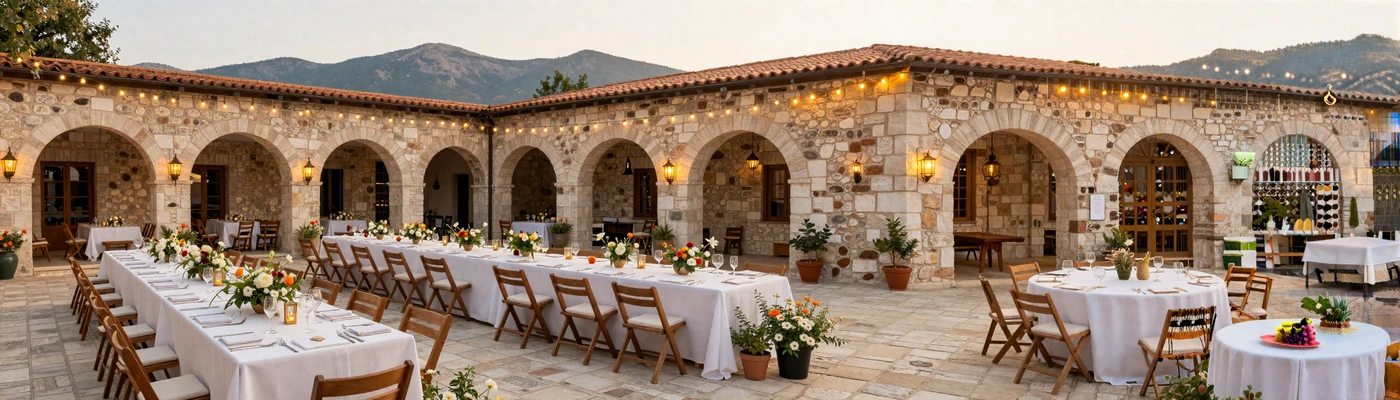
Balkan wedding traditions are among the most vibrant, elaborate, and emotionally rich celebrations in all of Europe. Spanning seven nations - Albania, Serbia, Bosnia and Herzegovina, Croatia, Slovenia, North Macedonia, and Montenegro - these weddings blend Orthodox Christian, Catholic, and Islamic rituals with centuries of folk customs, spirited music, and multi-day feasts that put American receptions to shame. According to a 2025 Euromonitor report, the average Balkan wedding hosts between 200 and 500 guests, and celebrations routinely stretch across two to three days of continuous festivities.
If you are considering a future with a woman from the Balkan region through balkan women dating, understanding her country's wedding customs is not just interesting - it is essential. These traditions reveal deep cultural values: the importance of family honor, community bonds, and the sacred weight placed on lifelong commitment. This guide walks you through the most significant wedding traditions from each Balkan country, so you know exactly what to expect when love leads to "I do."
Key Takeaways - Balkan Wedding Traditions
- Balkan weddings are multi-day celebrations averaging 200-500 guests, blending religion, folk customs, and family rituals.
- Albanian wedding customs include elaborate engagement negotiations (fejesë) and can span up to seven days of celebrations.
- Serbian wedding customs center on Orthodox rituals: crowning ceremony, breaking of glasses, and the traditional kolo circle dance.
- Croatian wedding traditions combine Catholic mass with Mediterranean feasting, including the removal of the bride's veil (skidanje vela).
- Bosnian wedding traditions uniquely blend Islamic, Orthodox, and Catholic elements depending on the family's heritage.
- Every Balkan country features live folk music, communal dancing, and elaborate feasts as non-negotiable elements of the celebration.
The Rich Tapestry of Balkan Wedding Customs
Balkan wedding traditions are far more than ceremonies - they are multi-day community events that define family identity and social standing. Unlike the streamlined American wedding format (ceremony, cocktail hour, reception), Balkan celebrations unfold across multiple stages: formal engagement, pre-wedding rituals, the ceremony itself, and post-wedding gatherings that can stretch well into the following week. A 2025 survey by Wedding Wire Europe found that 68% of Balkan couples spend more on their wedding celebration than on their first home down payment - a statistic that underscores the cultural significance of these events.
Three major religions shape Balkan wedding customs. Orthodox Christianity dominates Serbia, Montenegro, and North Macedonia. Catholicism is the primary faith in Croatia and Slovenia. Bosnia and Albania feature a unique mix of Islam, Orthodoxy, and Catholicism, sometimes within the same extended family. Despite religious differences, every Balkan wedding shares common threads: extravagant hospitality, live folk music, hours of communal dancing, and enough food to feed a small army.
Here's the thing: these traditions are not fading. According to Pew Research Center (2025), 81% of young adults in the Balkans say they intend to incorporate traditional customs into their weddings - one of the highest rates in Europe. For American men building cross-cultural relationships, participating in these rituals is one of the most meaningful ways to earn respect from her family.
Balkan Wedding Traditions by Country - Comparison
| Country | Dominant Religion | Key Wedding Traditions | Typical Duration | Unique Custom |
|---|---|---|---|---|
| Albania | Islam / Catholic / Orthodox | Fejesë (engagement), henna night, bride's procession, live çifteli music | 3-7 days | Groom's family "buys" the bride with symbolic gifts and gold |
| Serbia | Orthodox Christian | Crowning ceremony (venčanje), breaking glasses, kolo dance, wedding banner (barjak) | 2-3 days | Kum (best man) is a lifelong family role, passed through generations |
| Bosnia | Islam / Orthodox / Catholic | Henna night (kna veče), groom's convoy, communal prayers, mixed traditions | 2-4 days | Bride's shoes filled with coins for prosperity and fertility |
| Croatia | Catholic | Church mass, veil removal (skidanje vela), bride's dance for money, barjaktar | 1-2 days | Morning-after brunch (misa zahvalnica) and serenading at dawn |
| Slovenia | Catholic | Civil ceremony, tree planting, mock kidnapping of the bride, vineyard toasts | 1-2 days | Groom must pass humorous "tests" set by bride's neighbors before entry |
| N. Macedonia | Orthodox Christian | Flag-raising at groom's house, Orthodox crowning, oro circle dance, feast | 2-3 days | Bride steps on a plate and breaks it upon entering groom's home |
| Montenegro | Orthodox Christian | Wedding banner parade, Orthodox ceremony, rifle salutes, epic toasting | 2-3 days | Celebratory gunfire (pucanje) marks the groom's departure to claim his bride |
Albanian Wedding Customs - From Engagement to Celebration
Albanian wedding customs are among the most elaborate in the Balkans, often spanning three to seven days of festivities that involve entire extended families and villages. The process begins long before the ceremony with the fejesë - a formal engagement negotiation where the groom's family visits the bride's household to request her hand. According to Albanian cultural historian Dr. Fatmir Hoxha (2025), this tradition dates back over 500 years and remains central to Albanian identity, whether the family is Muslim, Catholic, or Orthodox.
If you are interested in Albanian women dating, understanding these customs demonstrates respect for her heritage. Here are the key stages of an Albanian wedding:
- Fejesë (Engagement): The groom's family sends male relatives to formally ask for the bride's hand. Gifts of gold jewelry, sweets, and Turkish coffee are exchanged. Negotiations may span multiple visits.
- Henna Night (Nata e Kënës): The night before the wedding, the bride's hands and feet are decorated with henna. Women gather to sing traditional songs, dance, and prepare the bride emotionally.
- Bride's Departure (Nisja e Nuses): The bride leaves her family home in a ceremonial procession. In northern Albania, this can include horseback escorts and symbolic tears of departure.
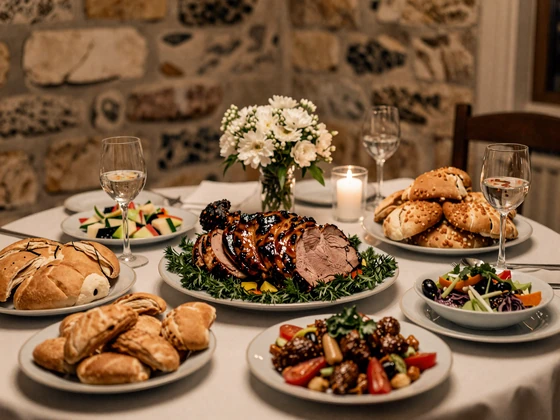
- Wedding Feast (Dasma): The celebration itself features live folk music with çifteli and lahuta instruments, traditional circle dancing (valle), and enormous quantities of food - roasted lamb, byrek pastry, and baklava.
- Gift-Giving Ceremony: Guests publicly present cash gifts to the couple, often announced by a master of ceremonies. Amounts are recorded to maintain reciprocity in future weddings.
💡 Cultural Insight for American Grooms
In Albanian wedding customs, the groom's family traditionally covers most wedding expenses. If you marry an Albanian woman, expect her family to host separate celebrations on their side. Demonstrating generosity - especially toward her parents - earns deep respect and acceptance.
Serbian and Croatian Wedding Traditions - Orthodox and Catholic Ceremonies
Serbian wedding customs and Croatian wedding traditions represent two sides of South Slavic heritage: Orthodox and Catholic, respectively. Despite different religious frameworks, both cultures share a deep reverence for family, communal celebration, and rituals that transform a wedding into an unforgettable multi-day event.
Serbian Wedding Customs (Orthodox)
The Serbian Orthodox wedding ceremony - venčanje - is one of the most visually and spiritually rich rituals in Christianity. The priest places ornate gold crowns (krunice) on the bride and groom's heads, symbolizing their union as king and queen of a new family. According to the Serbian Orthodox Church, this crowning represents martyrdom - the willingness to sacrifice for each other. A 2025 Belgrade Cultural Foundation study found that 89% of Serbian couples still incorporate the full Orthodox crowning ceremony, even among those who consider themselves only moderately religious.
Key elements of Serbian wedding customs include:
- The Kum (Best Man): Far more than a wedding party role, the kum becomes a lifelong spiritual guardian of the marriage. This role is often hereditary, passed between families across generations.
- Barjak (Wedding Banner): A decorated flag is raised at the groom's house days before the wedding, announcing the celebration to the entire neighborhood.
- Kolo Dance: Guests join hands in a large circle and perform the traditional kolo folk dance, accompanied by live brass band (truba) music. The tempo increases throughout the night.
- Breaking of Glasses: The couple breaks wine glasses after their first toast - the number of shards predicts years of happiness together.
- Apple on the Roof: The groom shoots an apple placed on the bride's family rooftop to prove his worth before claiming his bride.
Croatian Wedding Traditions (Catholic)
Croatian wedding traditions blend Catholic liturgy with Mediterranean coastal flair, especially in Dalmatian regions near Split and Dubrovnik. The celebration typically begins with a Catholic church mass and extends into an evening reception featuring the skidanje vela - the removal of the bride's veil at midnight, symbolizing her transition from maiden to wife.
- Barjaktar (Flag Bearer): A young man from the groom's family carries a decorated flag through town, inviting guests and announcing the wedding.
- Bride's Dance (Tanac Mlade): Guests dance with the bride one by one, pinning cash to her dress or placing it in a special apron. This tradition can raise thousands of euros in a single evening.
- Morning-After Brunch: The day after the wedding, close family gathers for a traditional brunch with leftovers, coffee, and the retelling of the best moments from the celebration.
- Serenading (Serenada): In some regions, the groom's friends serenade the bride at dawn with traditional Dalmatian klapa a cappella songs.
A Balkan wedding is not an event you attend - it is an experience that transforms you. The music, the food, the emotion - nothing in Western culture quite compares.
Bosnian and Montenegrin Wedding Traditions - Where Cultures Converge
Bosnian wedding traditions are uniquely shaped by the country's multicultural identity. Bosnia and Herzegovina is home to three major ethnic groups - Bosniaks (Muslim), Bosnian Serbs (Orthodox), and Bosnian Croats (Catholic) - and each brings distinct customs to the wedding celebration. What makes Bosnian weddings remarkable is how these traditions sometimes blend within mixed-faith families, creating ceremonies that honor multiple heritages simultaneously.
Key Bosnian wedding customs include the kna veče (henna night), where the bride's female relatives gather for an intimate evening of henna decoration, singing, and emotional farewell rituals. The groom's svatovski cortege - a convoy of decorated cars honking through town - is a beloved sight in Sarajevo and Mostar alike. According to a 2025 Bosnia Tourism Board report, wedding tourism has grown 34% since 2022, as foreigners travel to experience these celebrations firsthand.
Montenegrin weddings, meanwhile, are known for their epic scale and emotional intensity. The pucanje tradition - celebratory gunfire marking the groom's departure - has roots in medieval warrior culture and remains common in rural areas. Montenegrin wedding feasts feature slow-roasted lamb (jagnjetina ispod sača), barrels of local Vranac wine, and toasts that can last hours, each more eloquent and emotional than the last.
ℹ️ What American Grooms Should Know
Balkan wedding guests are expected to give generous cash gifts - typically enough to cover the cost of their plate and more. In 2025, the average wedding gift in Serbia was €100-€200 per guest, while Albanian weddings often see gifts of €200-€500 from close family. As the groom, your generosity toward her family will be remembered for decades.
Planning a Cross-Cultural Wedding - Practical Tips
If your relationship with a Balkan woman leads to marriage, blending American and Balkan wedding traditions creates a celebration that honors both cultures. Consider this: most Balkan families will expect certain non-negotiable elements - live music, a multi-course feast, and key religious or folk rituals. Meanwhile, you can incorporate your own family traditions alongside them.
- Start with her family: Discuss wedding plans with her parents early. In Balkan culture, the family's blessing is not optional - it is foundational.
- Hire a bilingual officiant: Whether Orthodox, Catholic, or civil, having parts of the ceremony in both English and her native language makes all guests feel included.
- Embrace the feast: Balkan wedding menus are legendary. Work with a caterer who can prepare traditional dishes alongside American options.
- Plan for duration: Balkan receptions last 8-12 hours minimum. Schedule accordingly and pace yourself - the best moments often happen after midnight.
- Learn one folk dance: Nothing earns more respect from Balkan in-laws than an American groom joining the kolo or oro circle dance with genuine enthusiasm.
The bottom line: balkan wedding traditions are a celebration of love, family, and cultural identity that have endured for centuries. Whether you are drawn to the Orthodox grandeur of a Serbian venčanje, the vibrant joy of an Albanian dasma, or the Mediterranean elegance of a Croatian coastal reception, these customs reveal the deep values that make Balkan women extraordinary life partners. To begin your journey toward finding a Balkan bride, explore verified profiles on our balkan women dating platform - and who knows, you might be dancing the kolo at your own wedding sooner than you think.